Lap swimming 1.2 to 1.5 meters gives you enough room to move your arms freely and complete efficient strokes. Shallow areas around 0.9 m are perfect for kids or lounging. If diving is important, then a minimum depth of 2.4 m is advisable. Knowing these things makes for a pool that everyone can enjoy.
See what our experts at TurnKey Pool Designers recommend. Let’s talk about the depth that best fits your lifestyle. Get started with us today, and we’ll help design the pool you’ve always wanted!
Key Takeaways
- Identify exactly what your pool is for. Choose your depth wisely.
- For lounging around, 0.9-1.5 meters is very comfortable.
- For family-friendly pools, there should be shallow zones (2 – 3 feet) for children.
- For fitness swimming, a depth of 1.2 meters is the minimum necessary to permit proper strokes.
- Diving pools require 2.4-2.7m to be safe-compliant.
- Keep in mind ALL the users’ needs–children, adults, the mobility challenged.
Determine Your Pool’s Purpose
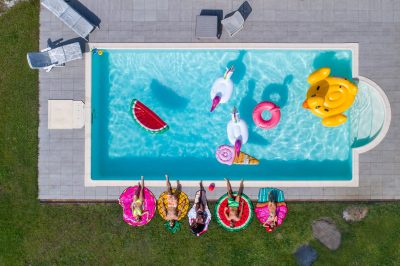
Choosing the right depth for your pool starts with what you want to use the pool for. If you’re building your own pool, you might want to select a custom depth to suit its purpose (i.e., recreational swimming, fitness swimming, diving).
1. Casual Relaxation
For lounging and socializing, 3 to 5 feet of depth works best. This span lets grown-ups stand or take a dip. A consistent depth pervading the entirety of the pool is perfect for relaxation, with no sharp dips to complicate ease.
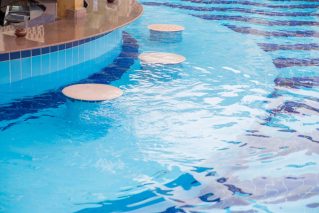
Having shallow areas, 2-foot deep steps, or ledges, for example, gives places to wade and sit partially submerged. Avoid deep water areas – these limit usability for recreational swimmers and serenity seekers.
2. Family Fun
Family pools need to have different depths. Shallow pockets of 2 and 3 feet are ideal for toddlers to safely play with close adult supervision. Deeper areas, about 4 to 5 feet, provide space for adults and older children to play games.
With gentle depth transitions, the pool is open for all to enjoy, reducing any danger of unintended slides into the deep. This depth-option balance fuels both safety and fun on those family activity days.
3. Fitness Swimming
At least 4 feet in depth is adequate to swim laps. This depth stops swimmers from pounding the bottom while doing strokes and turns. A longer pool with more consistent depth makes laps more enjoyable.
4. Water Sports
Water sports such as volleyball or basketball need a depth of 3 to 4 feet. A flat-bottomed area in this range provides stability and safety while playing. That pool has to be wide enough for you to move around comfortably during a team-based game.
5. Diving Activities
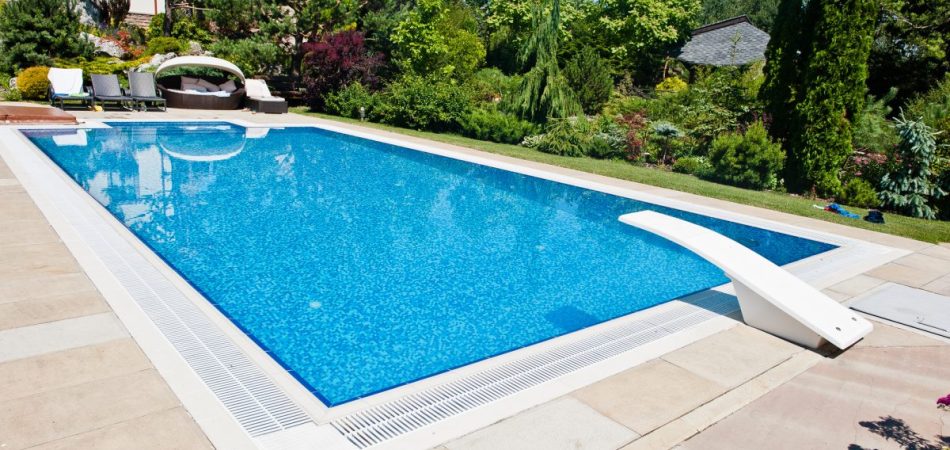
If you want to dive, then you need a depth of at least 8 to 9 feet. Diving boards should be installed over only these deep sections. Following standard depth codes keeps you on the safe side. Including obvious depth markers near diving zones additionally aids users in pinpointing safe regions, minimizing potential hazards.
Consider Every User
The choice of pool depth requires some serious thought for everyone who might use the pool. Making the right trade-offs between safety, comfort, and usability is essential, given the variety of ages, abilities, and activities you are trying to accommodate in the design of your pool.
-
Children
A shallow area of 2 or 3 feet is perfect for the little ones. This gives them the freedom to safely splash, wade, and construct swimming confidence. Include safety ledges or barriers between shallow and deeper sections to keep swimmers from stumbling into waters beyond their ability.
-
Adults
For us adults, deeper spots of 4-5 feet offer this lovely combination of being functional and luxurious. A depth of 3.5 to 4 feet is best for standing, lounging, and cooling off. For water aerobics, 3 to 5 feet has room to pump some water aerobics without stretching the participants.
-
Gradual Slope
A slight slope, from 2.5 or 3 feet to 5 feet, makes a very usable pool. The shallow areas allow for children and those just starting to use the pool, while the deep area allows for swimming and activity.
The Unseen Depth Factors
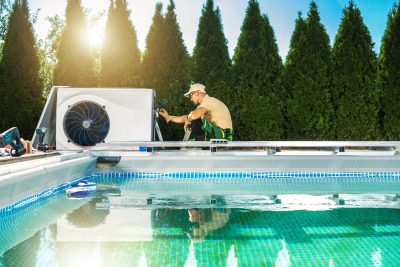
Selecting your pool depth isn’t all about looks — it has a real impact on your pool’s practicality, safety, and maintenance expenses. Depth affects water circulation, heating, and upkeep—things you don’t think about but that must be mastered for an optimal, fun pool.
-
Water Circulation
Proper circulation is vital to keeping your pool clean and free of algae/debris. Deep pools can stagnate water at the bottom if circulation systems are not sufficient. Heavy-duty pumps are typically required to circulate so much more water to compensate for the stagnation. Jets and drains should be placed in a manner to ensure water circulation is maximized.
-
Heating Costs
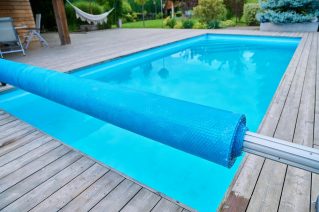
Deeper pools contain more water, which means higher heating costs. A 2-metre deep pool uses much more energy to keep it at a comfortable temperature than, say, a 1.4-metre deep family pool. Pool covers reduce heat loss, and solar heating can assist in reducing costs.
-
Chemical Balance
Depth impacts chemical usage as well. Greater volume means you need more sanitizers, like chlorine. Especially for pools that have different depths, like a 25 cm shallow entry, chemicals can end up unevenly distributed if not applied correctly.
-
Routine Maintenance
The deeper pools require more specialized cleaning tools, like robotic vacuums that can navigate 2+ meter depths. Maintenance schedules should consider wear unique to these designs, such as tile repairs in deeper sections.
Ideal Pool Depth for Comfort and Enjoyment
Choosing the right pool depth is worth some thought, but it doesn’t have to be daunting. Think about everyone from beginner to expert swimmers. A smartly designed pool depth brings safety, comfort, and enduring value to your outdoor space.
If you’re not experienced, our pool design specialists at TurnKey Pool Designers can guide you toward the best choice for your needs. Ready to take the plunge? Let’s create a pool that’s safe, beautiful, and tailored just for you—get in touch with us today and let’s start building your dream backyard oasis!