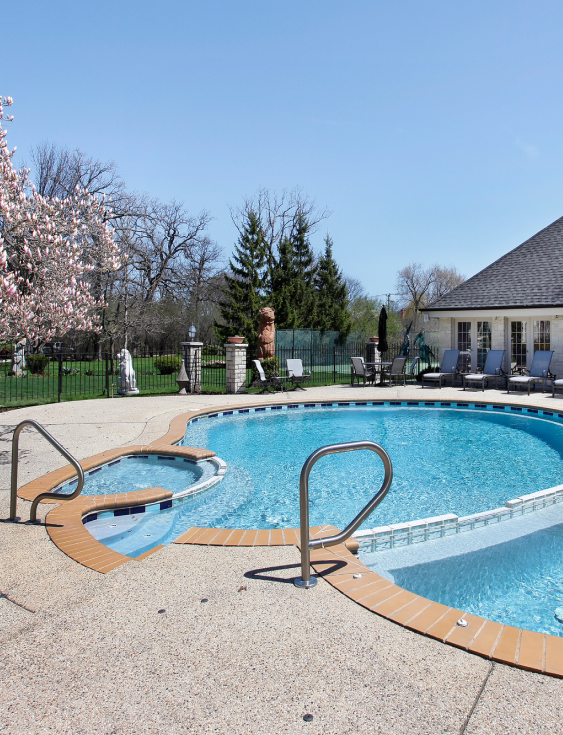
Choosing the proper pool safety fencing is paramount for your family’s safety and code compliance. From tough aluminum and steel to transparent glass and vinyl, fencing comes in various styles that suit your property.
Well-installed fences offer additional benefits beyond safety, privacy, and beauty. Let our team from TurnKey Pool Designers show you fencing options, their pros, and key considerations. Feel free to contact us for more details.
Pool safety is very much about style as well when it comes to picking the right weighing. Pool fences save your little ones and furry pals while beautifying your yard. Here, we take a tour of five commonly used materials for pool fencing, their properties, and how they stand in terms of safety and maintenance.
Families seeking a safe yet affordable option may find mesh fencing ideal. It is light, portable, and easy to set up or remove for temporary use. Mesh panels provide clear sight lines while being robust and climb-resistant, making them an excellent choice for keeping children safe.
Glass fencing offers a modern, chic look that complements contemporary homes. Frameless or semi-frameless panels provide clear pool views while ensuring safety. Professionally installed, shatter-resistant glass is durable and low-maintenance, requiring only occasional cleaning. It’s ideal for homeowners seeking both style and security.
Aluminum fencing is durable, rust-resistant, and low-maintenance. Available in various styles and colors, it offers a classic look that complements both traditional and contemporary homes. Its strong structure ensures lasting safety and minimal upkeep, making it a reliable fencing option.
Another inexpensive option for above-ground pools is vinyl fencing, which, as mentioned, resists damage from decomposition or warping by moisture and weather and thus goes unmaintained. Regardless of whether solid privacy panels or more open styles of pickets are preferred, the choice of a vinyl fence should fit your yard just as well. In fact, modern surfaces are easy to clean and resistant to the effects of time.
A warm, natural wood fence, such as a lawn or garden, gives warm coziness. It can be customized to offer a wide range of options, from privacy panels to ornamental pickets. Wood must be treated and sealed continuously against moisture and insect incursions. While it requires more maintenance than the others, it is generally the most appealing and most popular with traditional houses.
An intelligent fence is one of the best ways to keep children and pets safe by complying with pool safety measures. Here, we review what makes a fence SAFE.
Pool fences must be at least 1.2 meters (4 feet) tall to prevent children from climbing over, per ASTM F1908 standards. Local laws may require taller fences, so check regulations in your area.
A secure latch is essential. Self-latching, self-closing gates keep unauthorized people out and should be at least 1.37 meters (54 inches) high to be out of children’s reach. Consider a lockable latch for added security, especially with toddlers around. Regularly test the latch to ensure it functions properly.
Slats should be spaced no more than 10 cm (4 inches) apart to prevent kids from squeezing through. The fence base should be flush with the ground or no more than 5 cm (2 inches) high to block entry from underneath. Regular inspections are necessary to check for gaps caused by wear. Options like close mesh or glass panels are effective.
To enhance safety, avoid horizontal rails on the outside that provide footholds. Use tempered glass or tightly woven mesh instead. Regularly inspect for climbing aids like trees or furniture that may compromise safety, and trim or relocate them as needed.
Choosing the right type of pool safety fence is half the battle; installing it is equally important. Quite naturally, it is going to affect the final cost, final time, and final safety whichever way you choose to have it installed, whether by yourself or professionally.
Installing your drainage system yourself can save money, but it requires careful preparation. Assess your skills and tools—concrete work may need a rotary hammer drill, and large or steep areas can extend the installation time. Make sure you understand and follow all local safety regulations, such as minimum fence heights and self-closing, lockable gates. Planning guarantees a safer and more efficient DIY project.
For intricate materials like glass or custom aluminum fences, a professional job is recommended. Their installation guarantees security, wind resistance, and correct alignment, especially in uneven terrains. It is more costly than DIY, but a lot of people prefer it as the installation often comes with a warranty, and the mats are safe.
Good pool safety fencing is needed for both security and patronage. Glass, aluminum, and wood have pros and cons. The important thing is to see what fits the most into your space. A fence installed correctly improves safety, enhances peace of mind, and beautifies your pool area.
We can assist you with making an educated decision on whether you want guidance, materials, or a trustworthy installation team. Call us today at TurnKey Pool Designers for a safe and aesthetically pleasing pool!


 TurnKey Pool Designers