The cost of owning a pool in Louisiana comes from five places: water care, electricity, routine cleaning, repairs, and the long-term refresh of finishes and equipment. How heavily each one weighs depends on how the pool was designed, so the best moment to lower your running costs is before the pool is built.
Key Takeaways
- Ownership costs fall into five groups, and design decisions shape every one of them.
- Water volume, sun exposure and added features do the most to set the running costs.
- Louisiana’s long, warm, wet season means a pool here works harder than one further north.
- Finishes and equipment wear with use, so plan a reserve for the long term from year one.
- Ask for the ownership picture alongside the build quote, on your own lot.
Most pool budgets stop on the day the pool is filled. The years after that are where a carefully planned pool and a rushed one drift apart. TurnKey Pool Designers works across the New Orleans metro, the Northshore and Baton Rouge, and this guide covers the side of the decision that brochures tend to skip: what it takes to keep a pool running well once it is yours.
You will find no price list here. Running costs swing too widely from one yard to the next for a published number to help you. What you can do is understand what moves them.
What Ongoing Costs Come With Owning a Pool in Louisiana?
Every pool carries the same five ongoing costs: water care, electricity, cleaning, repairs, and long-term refresh. The mix between them is different for every pool.
Water care is the one owners notice first, because it never pauses. The system you choose changes the routine as much as the bill, and our comparison of saltwater and chlorine pools walks through how each one behaves week to week.
Electricity is the quiet one. The pump runs whether or not anyone swims, and heating adds to it whenever you stretch the season.
Which Design Choices Raise or Lower Running Costs?
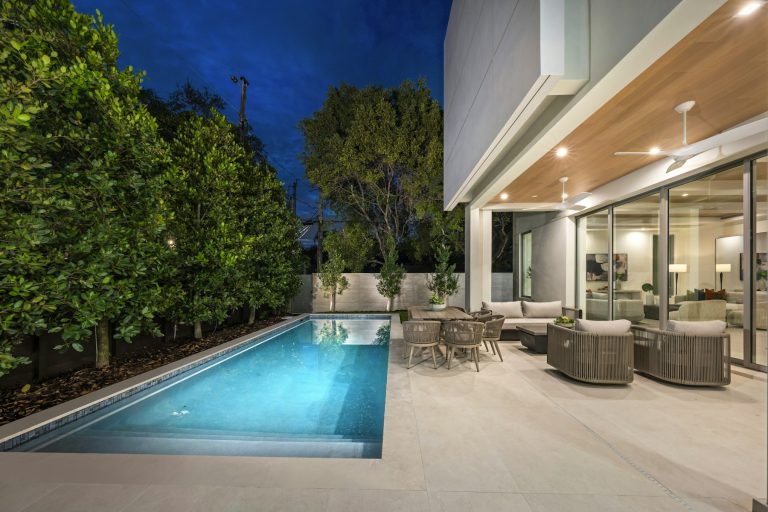
Size, depth, added features, materials and the pool’s position in the yard all set the running cost before the first swim. These are design decisions, and they are far easier to adjust on paper than in concrete.
Size and depth. More water means more to treat, more to circulate and more to heat. A pool sized for how your household really uses it costs less to own than one sized for the largest party you might host.
Features. Waterfalls, spas, raised edges and deck jets are a pleasure to live with, and each one adds moving water that has to be pumped. Decide which features you will use every week and which you would only switch on for guests.
Sun and shade. Strong sun warms the water for free and also burns through chlorine faster. Full shade keeps the water cool and tends to mean leaves. A good layout balances the two for your yard.
Planting and surroundings. Trees that overhang the water turn cleaning into a daily job. Where the pool sits relative to existing trees is one of the cheapest decisions to get right early.
Materials. Interior finishes, tile and coping differ in how they wear and how forgiving they are of imperfect water balance. A finish that suits your maintenance habits will look better for longer.
Working through these trade-offs is the core of a proper pool design service, and it is where ownership costs are won or lost.
How Does the Louisiana Climate Change the Upkeep?
A pool in Louisiana works for most of the year, in heat, humidity and heavy rain, so it asks for steadier attention than a pool in a cooler state. The swim season is long, and so is the maintenance season.
Warm water and humid air are ideal conditions for algae, which means water care cannot be left to drift for a week or two in summer. A downpour dilutes the water and shifts its balance, so testing after heavy rain becomes a habit.
Storm season brings debris, and sometimes a full clean-up after a single afternoon. Mild winters cut the other way: many owners here keep the pool running through the cooler months, which spreads the upkeep across the whole year.
A pool designed with this climate in mind takes all of it in stride, with circulation, drainage and surfaces chosen for the conditions they will face.
What Should You Plan for Beyond Weekly Upkeep?
Plan for wear: interior finishes, tile, coping and equipment all age with use and will need renewing at some point. Owners who set a little aside each year meet those moments calmly.
Equipment tends to announce its age gradually, with a noisier pump or a heater that takes longer to do its job. Finishes show it as roughness or staining. Neither arrives on a fixed schedule, and both last longer when the water has been kept in balance.
Two other items belong in the plan. A pool can change your homeowner’s insurance, so call your insurer before you build. Your water and power bills will also shift, and your provider can often tell you what similar homes see.
If you would like to talk through the long-term picture for your own yard, request a free quote and bring these questions with you.
How Do You Get a Realistic Picture Before You Build?
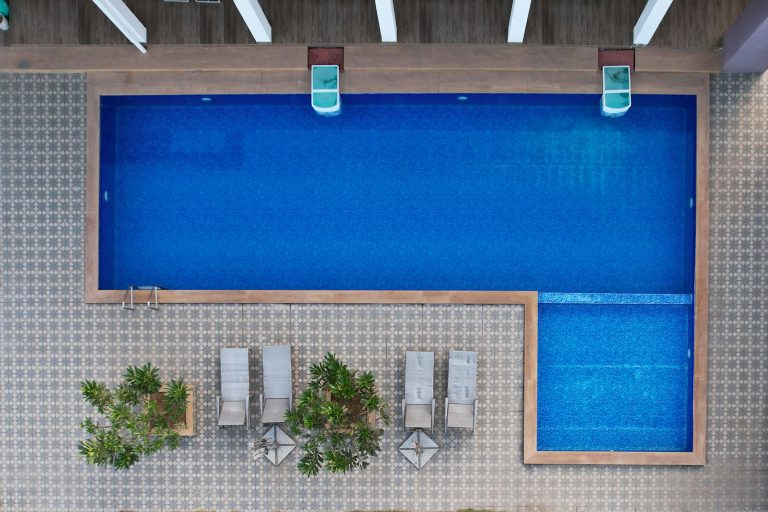
Ask for the ownership picture at the design stage, alongside the build quote, and ask for it on your own lot. A general answer about pools in the region tells you very little about yours.
Useful questions to bring to that conversation:
- Which parts of this design will cost the most to run, and what would a leaner version look like?
- What equipment are you proposing, and why this option over a simpler one?
- How will the trees and the sun on my lot affect cleaning and water care?
- Which finish suits the amount of maintenance I am willing to do?
- What will I be responsible for after handover, and what can a service take on?
Homeowners in Gretna and across the New Orleans metro often find that two designs with similar build quotes look very different once ownership is counted. The design that fits how you will use the pool is usually the one that costs less to live with.
Frequently Asked Questions
Are inground pools expensive to maintain?
It depends on the pool. Water volume, features, sun exposure and equipment choice all shape the bill, and two pools on the same street can cost very different amounts to run. A design matched to how you will use the pool keeps upkeep manageable.
How much does it cost to maintain an inground pool in Louisiana?
There is no single figure that holds across yards. The long warm season here means steadier water care and more pump time than in cooler states. The reliable way to get a number is to ask for one against a specific design on your own lot.
Does it cost a lot to run a pool pump all day?
The pump is one of the largest electrical loads a pool has. How much it uses depends on the type of pump and how it is scheduled. Ask your designer what is being specified and how long it is expected to run each day.
Is a saltwater pool cheaper to maintain?
A saltwater system changes where the cost falls. You buy fewer chemicals week to week, and the system has parts that wear and need replacing over time. Which one suits you depends on your routine and your budget.
Can I maintain a pool myself to save money?
Yes, many owners do. It takes regular testing, cleaning and attention after storms. Some owners handle the weekly routine themselves and bring in a service for equipment checks or seasonal jobs.
Does a bigger pool cost more to own?
Generally, yes. More water takes more treatment, more circulation and more energy to heat. Depth counts as much as surface area, so a shallower design can be easier to live with.
Do pools in Louisiana need to be closed for winter?
Many owners in South Louisiana keep their pools running through winter because the weather stays mild. That avoids a closing and reopening routine and means upkeep continues, at a lighter pace, all year.
Will a pool change my homeowner’s insurance?
It can. Insurers treat pools differently, so speak to yours before you build and ask what they need from you. It is a quick call that removes a surprise later.