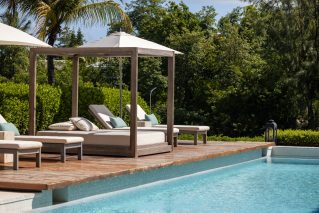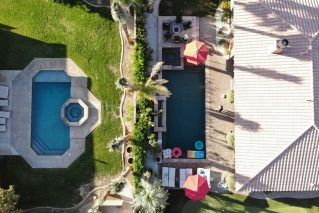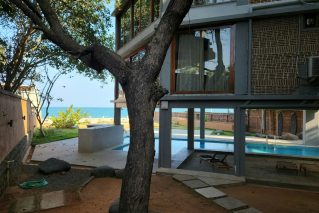
The pool decking materials that hold up best in Louisiana heat and humidity are natural stone such as travertine, concrete or porcelain pavers, and well-finished concrete. They stay comfortable underfoot, grip when wet and tolerate a damp climate. The best choice for your pool depends on your soil, your budget and how much upkeep you want.
Key Takeaways
- Judge a deck on four things: heat underfoot, grip when wet, upkeep and how it handles ground movement.
- Lighter colors stay cooler than dark ones in every material.
- Pavers can be lifted and relaid if the ground settles.
- Humidity means every deck needs occasional cleaning to stay safe.
- Choose the deck with the pool, since color, coping and drainage are designed together.
A pool deck in Louisiana has a hard life. It bakes in the sun, sits wet for much of the year and rests on ground that moves. The surface you choose decides whether bare feet are comfortable in summer and whether the deck still looks good in ten years. TurnKey Pool Designers works across the New Orleans metro, the Northshore and Baton Rouge, and decking is one of the choices clients enjoy most.
This guide compares the common materials on the points that matter here.
What Should a Pool Deck Do in Louisiana?
It should stay cool enough for bare feet, grip when wet, resist mildew and cope with soft ground. A material that manages all four will serve you well.
Heat comes first. Dense, dark surfaces absorb the sun and can be painful to walk on in midsummer. Texture matters next, because a deck around a pool is wet by definition.
Humidity brings algae and mildew, which make any surface slippery if left alone. Ground movement is the last test. A rigid slab can crack as the soil settles, while a deck made of individual units flexes with it.
Updating a tired deck is one of the most effective parts of a pool remodel, since it changes both the look and the comfort of the whole area.
How Do the Common Decking Materials Compare?
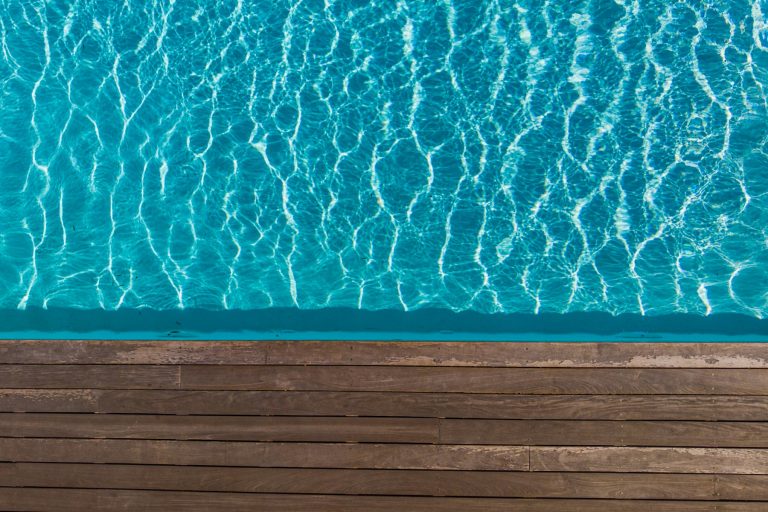
Each material balances comfort, grip, upkeep and tolerance for movement differently. The table gives relative ratings to guide a conversation, and samples on site tell you the rest.
Color changes the result within every row. A pale version of almost any material is cooler than a dark one, so shade and color are worth choosing together. Our guide to the best pool colors to complement any backyard shows how deck and water color play off each other.
Which Materials Stay Coolest Underfoot?
Light-colored natural stone and pale pavers are generally the most comfortable in full sun. Dark, dense and smooth surfaces are the hottest.
Texture helps too. A slightly rough surface has less contact with the skin and feels cooler than a polished one. Shade from a pergola, umbrellas or planting lowers the temperature of any deck and is worth planning where people walk and sit most.
Ask to stand on samples in direct sun before you decide. It is a simple test, and it tells you more than any description.
Which Materials Cope Best With Humidity and Soft Ground?
Pavers of stone, concrete or porcelain cope best, because they drain between joints and can be reset if the ground settles. That combination suits South Louisiana well.
A poured concrete deck is durable and economical, and it depends on good joints and sound preparation underneath to limit cracking. When a slab does settle, repair is more involved than lifting a few pavers.
Timber and composite decks sit on a frame, so they are forgiving of ground movement. They need the most attention in a humid climate, with regular cleaning to keep mildew from making the boards slick.
If you would like to see and feel the options against your own yard, request a free quote and ask us to bring samples.
How Do You Choose the Right Deck for Your Pool?
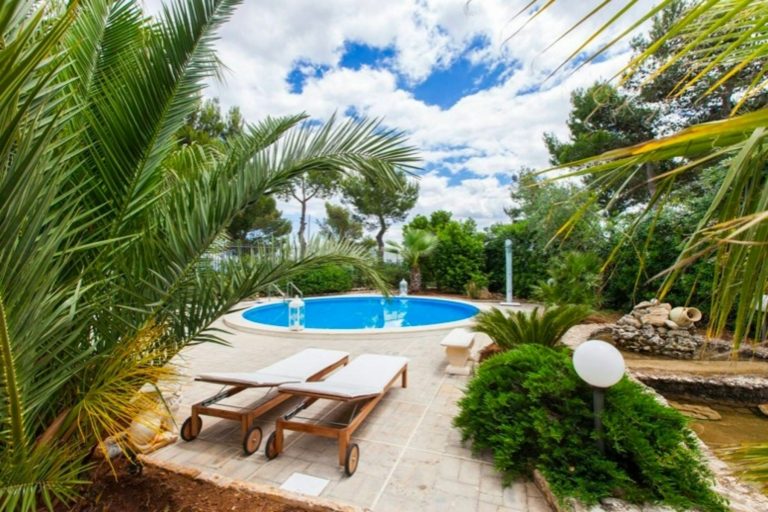
Start with how you use the space, then match the material to your soil, your style and your appetite for upkeep. The deck should suit the house as well as the pool.
Questions worth settling early:
- Where will people walk barefoot, and how much of that is in full sun?
- Does the yard have a history of settling or holding water?
- Do you want the deck to match the house, or contrast with it?
- How much cleaning are you willing to do each season?
- Will the deck need to carry an outdoor kitchen, a pavilion or heavy planters?
Drainage belongs in the same conversation. A deck should slope gently away from the pool and the house so water never sits.
Homeowners in Mandeville and elsewhere on the Northshore often have shaded, tree-lined lots where mildew resistance counts for more than heat. On an open, sunny lot the priorities reverse.
Frequently Asked Questions
What is the best pool deck material for hot climates?
Light-colored natural stone and pale pavers are popular because they stay more comfortable in full sun. The best choice also depends on grip, upkeep and your soil.
Does travertine get hot around a pool?
Travertine generally stays cooler than many other materials, especially in lighter shades. Any surface warms in direct sun, so test a sample outdoors.
Are pavers better than concrete around a pool?
Pavers handle ground movement well and are easy to repair. Poured concrete is economical and durable with good preparation. Both can work well.
What pool decking is least slippery?
Textured finishes grip best, whatever the material. Keeping the deck clean matters as much, since algae and mildew make any surface slick.
Is wood decking a good idea around a pool in Louisiana?
It can look beautiful and it handles ground movement well. It needs more maintenance than stone or pavers in a humid climate.
How do I keep my pool deck from getting moldy?
Regular rinsing, occasional deep cleaning, good drainage and sunlight all help. Sealing may be recommended for some materials.
Can I replace my pool deck without redoing the pool?
Yes. Deck replacement is a common standalone project and is often paired with new coping or tile.
What is the best landscape to put around a pool?
Planting that drops little debris, tolerates splash and frames the deck works best. A designer will choose species and positions that suit your lot and the amount of upkeep you want.