
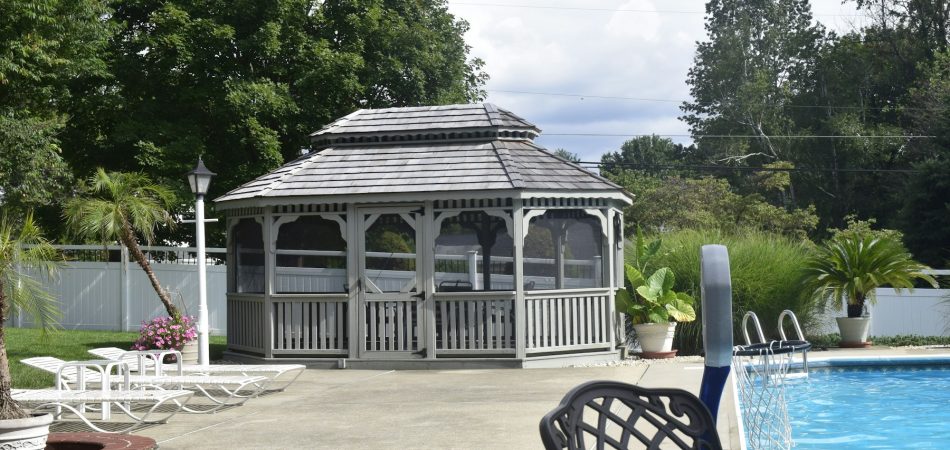
Pool barrier and safety rules in Louisiana are set and enforced locally, by your parish or city, and they are checked as part of the pool permit. In practice every residential pool needs a barrier that keeps unsupervised children out, gates that close and latch by themselves, and safe drains and electrics. Your designer confirms the exact requirements for your address.
Key Takeaways
- Barrier rules are enforced by your parish or city, so the details depend on where you live.
- Expect to need a barrier around the pool with self-closing, self-latching gates.
- The house wall can form part of the barrier, with conditions on doors and windows.
- Safety features are easiest and best-looking when designed in from the start.
- Older pools may fall short of current rules and are worth a review.
A pool is the best thing in a backyard and the one feature that calls for real care. Safety rules exist for good reason, and they shape the design more than most homeowners expect. TurnKey Pool Designers works across the New Orleans metro, the Northshore and Baton Rouge, and barrier planning is part of every layout.
This is a plain-English overview. It quotes no code sections or measurements, because your local office sets those and updates them.
What Do Pool Barrier Rules Usually Require?
They require a continuous barrier that a young child cannot easily get over, under or through, with gates that shut and latch without help. The aim is to stop a child reaching the water unnoticed.
Homeowners in Hammond and those in the New Orleans suburbs will find the principles are the same and the fine print differs. The office that issues your pool permit is the authority on what applies to you.
Can the House or an Existing Fence Count as the Barrier?
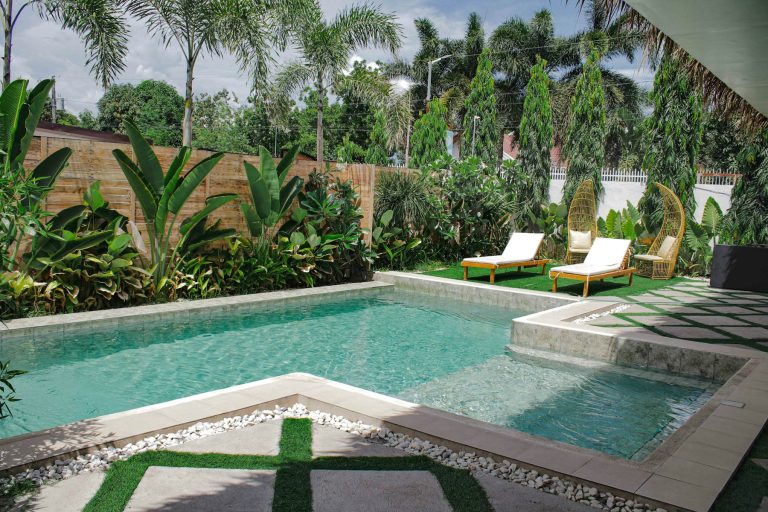
Often, yes, provided each part meets the rules for height, gaps and openings. Many backyards combine the house wall, a boundary fence and a new section to close the loop.
If the house forms one side, doors and windows that open toward the pool usually need their own protection. An existing fence can count when it is in sound condition and has no easy footholds or gaps, and when its gates are upgraded to close and latch by themselves.
Material and style are your choice within those limits. Our guide to choosing fencing options for pool safety compares the looks and trade-offs of each type.
How Do Safety Rules Shape the Design?
They influence where the pool sits, how you walk to it and what you see from the house. Planned early, a barrier can disappear into the design.
Gate positions decide how people move through the yard, so they are worth placing as carefully as the steps into the pool. A barrier line can follow planting beds or changes in level so it reads as part of the garden. Clear sight lines from the kitchen and living areas add a layer of safety that no rule requires and every parent values.
Leave these decisions until after the pool is drawn and the fence tends to look added on. Settle them together and it looks intended.
What Else Makes a Pool Safer Beyond the Rules?
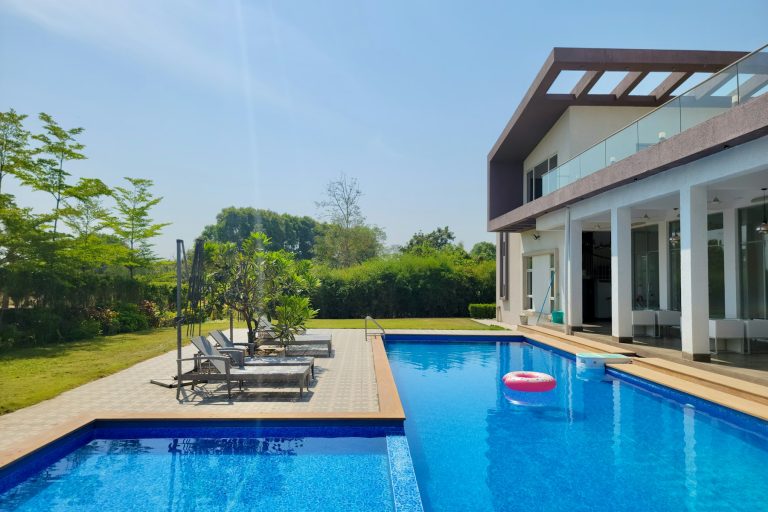
Layers of protection: supervision first, then physical barriers, then alarms, covers and swimming skills. No single measure does the whole job.
Useful additions include a safety cover, alarms on gates and doors, slip-resistant decking, good lighting, clear depth changes, and a shallow ledge where young children can sit within reach. Rescue equipment kept near the water is a small thing that matters.
If you would like to talk through a layout with safety built in, request a free quote and tell us who will be using the pool.
Do Older Pools Need to Be Brought Up to Current Rules?
It depends on your local office and on what work you are doing, and it is worth checking in any case. Rules have tightened over the years and many older pools predate them.
A renovation permit can trigger a review of the barrier and other safety items. Even where nothing forces an update, an older gate that no longer latches or a drain cover past its best is worth fixing for its own sake. Insurers and home buyers look at these things too.
A pool renovation is a natural moment to bring safety features up to date along with the finishes.
Frequently Asked Questions
What are the swimming pool regulations in Louisiana?
Residential pool rules are applied locally through parish and city building departments. They cover barriers, gates, drains and electrical safety. Your permit office has the current requirements for your address.
Do I need a fence around my pool in Louisiana?
Expect to need a barrier around a residential pool. It can be a fence, a wall, part of the house or a combination, as long as it meets local requirements.
Does a pool gate have to close by itself?
Yes, that is a standard requirement. Gates are expected to close and latch without anyone pushing them shut.
Can my backyard fence count as the pool barrier?
It can if it meets the rules and is in good condition. The gates usually need upgrading so they close and latch automatically.
Is a pool cover enough to meet barrier rules?
That depends on your local office and the type of cover. Many areas still require a physical barrier. Ask before relying on a cover alone.
Who checks that my pool meets the rules?
An inspector from the office that issued your permit. The barrier is normally checked before the pool is signed off for use.
Are the rules different for a spa or a spool?
Small pools and spas are generally covered by the same safety principles. Some offices treat a lockable spa cover differently, so confirm locally.
Should I update the safety features on an older pool?
It is a good idea. Latches, drain covers and fencing wear out, and current rules are stricter than older ones. A designer can review what you have.