Yes, you can build a pool on a high water table in South Louisiana, and most pools here are built that way. Groundwater close to the surface changes how the pool is designed, how deep it goes and how the yard drains around it. The key is planning for the water from the first sketch.
Key Takeaways
- A high water table is normal across South Louisiana and pools are built on it every year.
- Groundwater pushes upward on a pool shell, so the design has to account for that pressure.
- Depth, drainage and where the pool sits on the lot are the main design levers.
- Never drain a pool here without professional advice.
- A site-specific look at your lot beats any general rule about the region.
Dig a hole almost anywhere in South Louisiana and it will start to fill with water before long. Homeowners who notice this often assume a pool is off the table. It is one of the most common worries we hear, and it has a reassuring answer. TurnKey Pool Designers works across the New Orleans metro, the Northshore and Baton Rouge, where shallow groundwater is simply part of the ground.
This guide explains what a high water table means for a pool and which design decisions it shapes.
What Is a High Water Table and Why Does It Matter for a Pool?
A high water table means groundwater sits close to the surface, and that water presses upward on anything buried in it, including a pool shell. A full pool has the weight to resist that push. An empty one may not.
That is the whole issue in one sentence. While the pool is full of water, the weight inside balances the pressure outside. Trouble comes when a pool is emptied while the ground around it is saturated, because the shell can shift or lift.
Depth plays into this as well. The deeper the pool reaches into wet ground, the more pressure it meets, which is one reason depth deserves real thought on a Louisiana lot. Our guide to choosing the right pool depth covers the comfort and safety side of that choice.
Which Design Choices Help on a High Water Table?
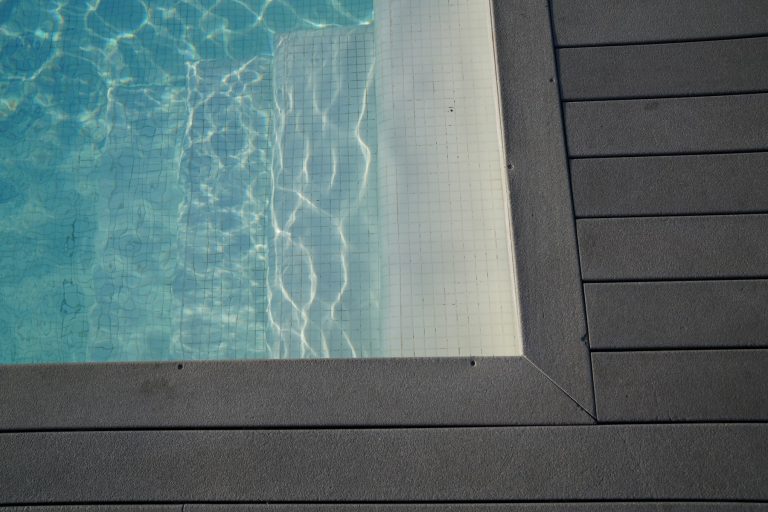
Depth, drainage, placement and the pool’s built-in pressure relief are the choices that matter most. Each one is settled at the design stage.
A sports-depth pool or one with a generous shallow area suits many families and sits more comfortably in wet ground than a deep diving design. That is a happy overlap: the pool most households use most is also the one the ground is kindest to.
Drainage is the quiet hero. A yard that holds water after rain needs that solved as part of the pool plan, and a good design treats the pool, the deck and the yard as one system.
How Do You Find Out What Your Lot Is Like?
Have the site assessed before the design is finalised, because groundwater depth varies from one property to the next. Neighbors a few doors apart can have different conditions.
A designer will look at how your yard behaves after rain, where water collects, how the lot sits relative to the street and what nearby pools have experienced. Where more certainty is needed, a soil report gives a measured picture of what lies below.
This is the reason quotes built without a site visit deserve caution. The ground is the one part of the project nobody can see, and it is the part most likely to change the plan. A custom pool design starts with the lot and works outward from there.
What Happens During Construction on Wet Ground?
The excavation is kept dry while the shell is built, and the schedule is planned around weather. Both are routine for crews who work in this region.
Water entering the excavation is managed so the work can proceed on stable ground. Timing matters too, since a long wet spell can pause a dig. A realistic schedule allows for that from the start.
Homeowners in LaPlace and other low-lying communities often ask whether their yard is simply too wet. In most cases the answer is that the yard needs the right design, and the construction team needs to know what to expect before the first day on site.
How Do You Protect the Pool After It Is Built?
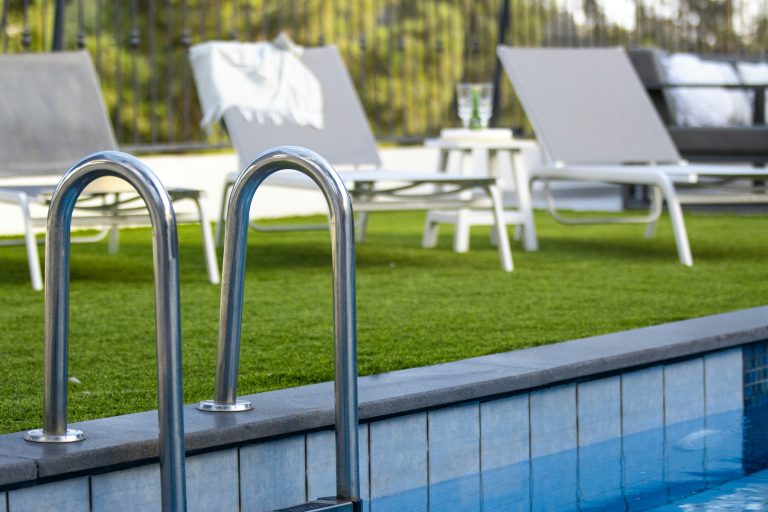
Keep the pool full, keep the drainage working, and never drain it without professional guidance. Those three habits prevent nearly every groundwater problem.
Draining is the big one. If a pool here ever needs to be emptied for repair or refinishing, it should be done by people who check the ground conditions first and take steps to relieve pressure. After prolonged heavy rain, the risk is at its highest.
Day to day, there is little to do. Keep drains and channels clear of leaves, watch how water moves across the deck in a storm, and mention any change to a professional early.
If you would like someone to look at your lot and tell you what is realistic, request a free quote and we will start with the ground.
Frequently Asked Questions
Can you put an inground pool in a yard with a high water table?
Yes. It is the normal condition across South Louisiana. The pool is designed with groundwater in mind, with attention to depth, drainage and pressure relief.
What happens if you drain a pool on a high water table?
An empty shell can be pushed upward by the water in the surrounding ground. That is why draining should only be done by professionals who assess conditions first.
Is a shallower pool better for wet ground?
Often, yes. A shallower pool meets less groundwater pressure and is simpler to build in wet soil. It also suits how most families use a pool.
How do I know how high my water table is?
A site visit gives a first indication, based on how the yard drains and what nearby properties have seen. A soil report provides a measured answer when the design calls for one.
Does a high water table make a pool more expensive?
It can add steps to the design and the build. How much depends on the lot, which is why a site-specific quote is the only reliable guide.
Will my yard flood more after a pool is built?
A well-designed project should leave drainage as good as before or better. The pool, deck and yard grading are planned together so water has a clear path away.
Do all pool types work on a high water table?
The common pool types can all be built here with the right design. Each handles groundwater differently, so the choice is worth discussing for your specific lot.
Should I avoid building in the rainy season?
Work can go ahead at any time of year, though long wet spells may slow excavation. A realistic schedule builds in time for weather.