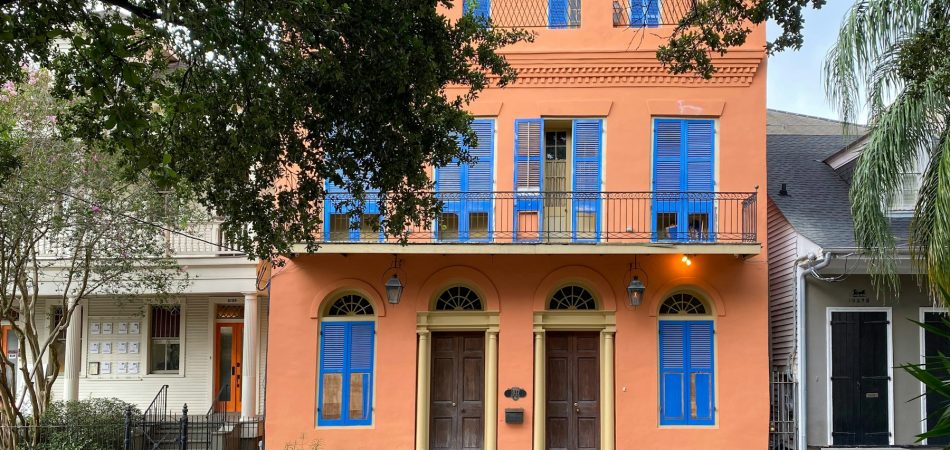
You design a pool for a historic home in New Orleans by keeping it in scale with the house, choosing materials that suit the period, and working within any local historic review that applies. The best results look as though the pool has always belonged there. Small sites, old trees and tight access shape the design as much as taste does.
Key Takeaways
- Let the house lead. Scale, proportion and materials should respect the architecture.
- Check early whether your property falls under a historic district review.
- Courtyard and garden pools suit older homes better than large resort-style designs.
- Old trees, old foundations and narrow access need careful planning.
- Modern equipment can be hidden so the setting keeps its character.
New Orleans has some of the finest historic houses in the country, and many sit on lots with room for water. Adding a pool to one is a design problem worth taking slowly. TurnKey Pool Designers works across the New Orleans metro, the Northshore and Baton Rouge, and older properties call for a lighter touch than new construction.
This guide covers what to think about before a pool is drawn for a historic home.
What Makes a Pool Suit a Historic Home?
A pool suits a historic home when its shape, size and materials take their cue from the house. Restraint usually reads better than spectacle.
Classic geometry is a safe starting point. Rectangles, simple curves and symmetrical layouts echo the formal lines of older architecture. A pool aligned with a doorway, a gallery or a garden path feels planned as part of the property.
Scale matters as much as shape. A modest pool that leaves the garden intact flatters the house, while an oversized one can overwhelm it.
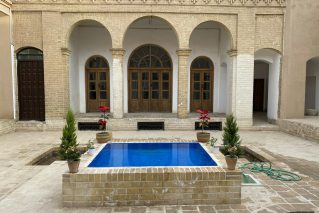
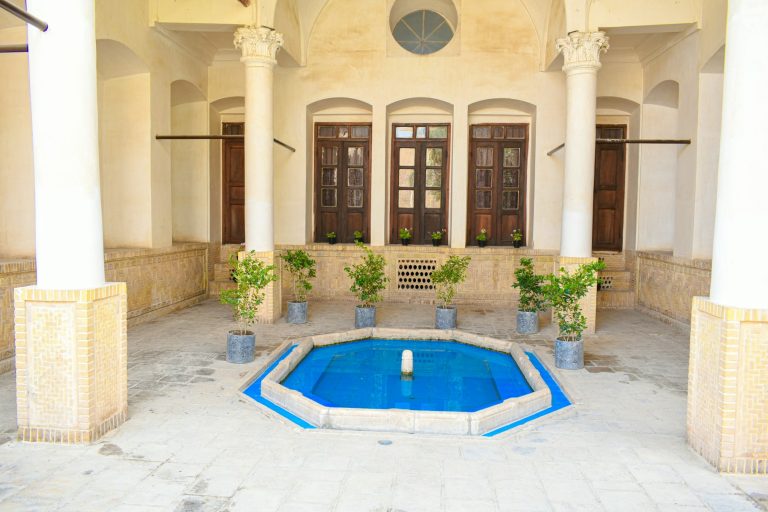
Courtyards have a long tradition in the city, and water has always been part of them. A fountain, a narrow reflecting pool or a compact plunge pool fits that tradition naturally. Where the garden is larger, a pool set on the axis of the house and framed by clipped planting has the same settled quality.
Do Historic Districts Restrict Pools?
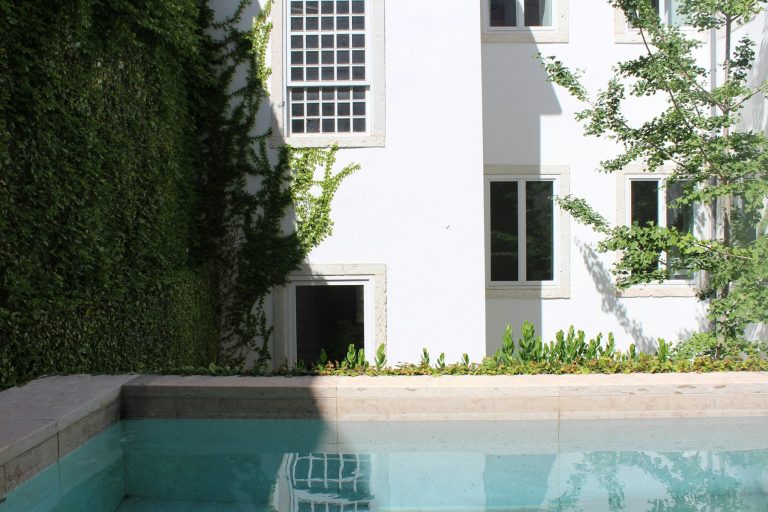
They can. Some properties need approval from a local historic review body before exterior work begins, in addition to the usual pool permit. Whether that applies depends on your address and on what can be seen from the street.
Review bodies are generally concerned with changes visible from public view and with the treatment of historic structures. A pool at the rear of a property is often less of an issue than fencing, walls or new outbuildings that face the street.
The practical step is to ask before design work goes far. Your designer can find out which reviews apply and prepare drawings that address them.
If you own an older home and want to know what is possible, request a free quote and mention the property’s history at the outset.
Which Materials and Details Work Best?
Natural and traditional materials in muted tones sit most comfortably beside old buildings. New work should complement the original fabric and avoid imitating it too literally.
Brick, stone and traditional paving patterns tie a pool to its setting. Coping in a simple profile and a darker or natural-toned interior give the water a calm, reflective quality that suits a garden court.
Details count. Ironwork, fountains and planting in the regional tradition help a new pool settle in. A thoughtful pool design considers these alongside the pool so the whole space reads as one composition.
What Site Challenges Come With an Older Property?
Mature trees, old foundations and services, limited access and drainage are the usual ones. Each should be investigated before the design is fixed.
Large old trees are part of a historic property’s value, and their roots extend well beyond the canopy. The pool’s position should protect them. Below ground, older lots can hide former structures, cisterns and pipes that nobody has mapped.
Access is often through a narrow gate or passage, which affects how the work is carried out. Existing walls and neighboring buildings close to the dig need care.
Drainage on older lots was designed for a different era. Adding paving and a pool changes how water moves, so the plan must show where it will go.
Many of the ideas that work on grand older properties appear in our piece on pool design inspirations for luxury homes.
How Do You Fit Modern Features Without Spoiling the Character?
Hide the equipment, keep technology discreet and let traditional materials do the visible work. A historic setting and modern comfort can coexist.
The aim is a pool that works like a new one and looks at home beside an old house. Planning the hidden parts first makes the visible parts simpler.
Frequently Asked Questions
Can you add a pool to a historic home in New Orleans?
In many cases, yes. The design needs to suit the property, and some addresses require a historic review as well as a pool permit.
Do I need special approval for a pool in a historic district?
You may. It depends on the district and on what is visible from the street. Ask your designer to check before detailed design begins.
What style of pool suits an older house?
Simple, classic shapes in proportion to the house and garden. Courtyard pools, plunge pools and formal rectangles are common choices.
Will a pool damage old trees on my property?
It can if roots are cut or soil is compacted. A good design positions the pool to protect mature trees and plans construction access with them in mind.
Can a pool fit on a small historic lot?
Often, yes. Compact pools are well suited to courtyards and rear gardens. A site visit will show what is feasible.
How do you hide pool equipment at a historic home?
Behind planting, walls or in a discreet enclosure placed away from the main views and seating areas.
What materials look right beside historic architecture?
Brick, natural stone and traditional paving in muted tones. They complement older buildings without competing with them.
Does a pool affect the value of a historic property?
A well-designed pool that respects the house can add to its appeal. One that clashes with the architecture can detract from it. Design quality is what counts.