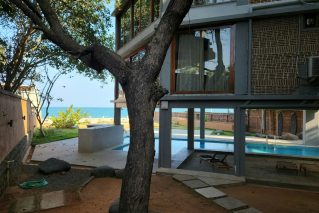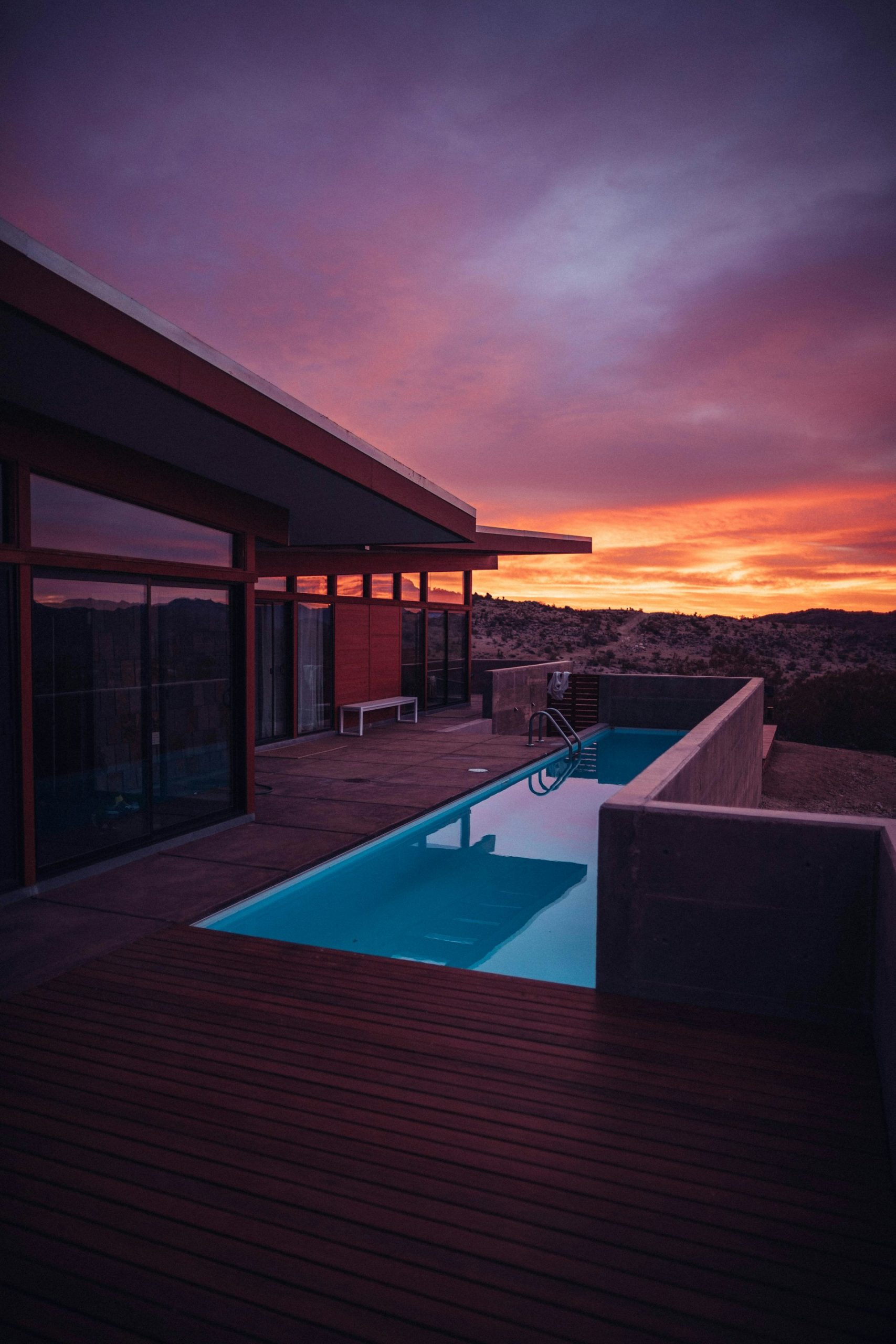
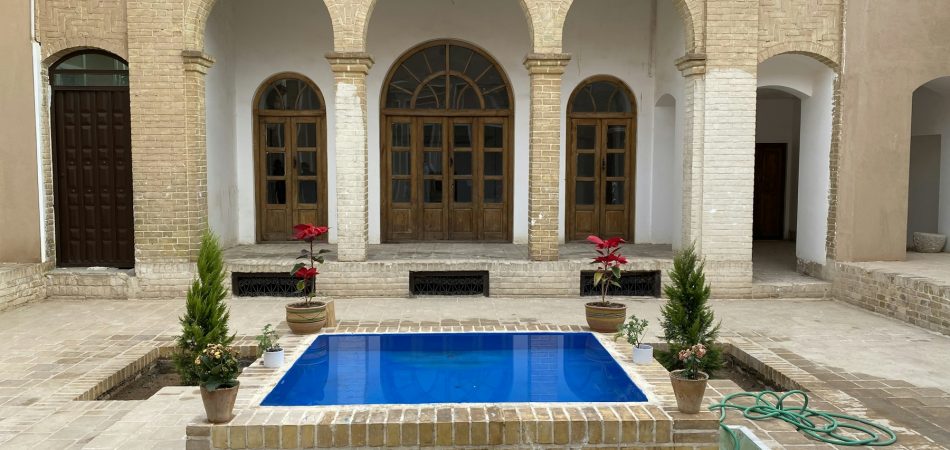
Yes, spools and courtyard pools are often the right answer for small New Orleans lots. A spool is a compact pool with the jets and heating of a spa, and a courtyard pool is a small pool shaped to fit an enclosed outdoor space. Both give you water to cool off in and enjoy without giving up the whole yard.
Key Takeaways
- A spool combines a small pool and a spa in one compact body of water.
- Courtyard pools are shaped around the space and become its focal point.
- Small pools use less water, heat faster and take less time to maintain.
- Access for construction is often the deciding factor on a tight lot.
- Good design makes a small pool feel generous.
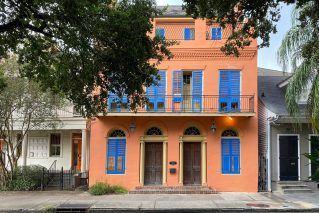
New Orleans is a city of narrow lots, deep houses and walled courtyards. Many homeowners assume there is no room for a pool. In truth, some of the most charming pools in the region are the smallest. TurnKey Pool Designers works across the New Orleans metro, the Northshore and Baton Rouge, and compact pools are a growing share of what clients ask about.
This guide explains the options and what makes a small pool work.
What Is a Spool, and How Is It Different From a Courtyard Pool?
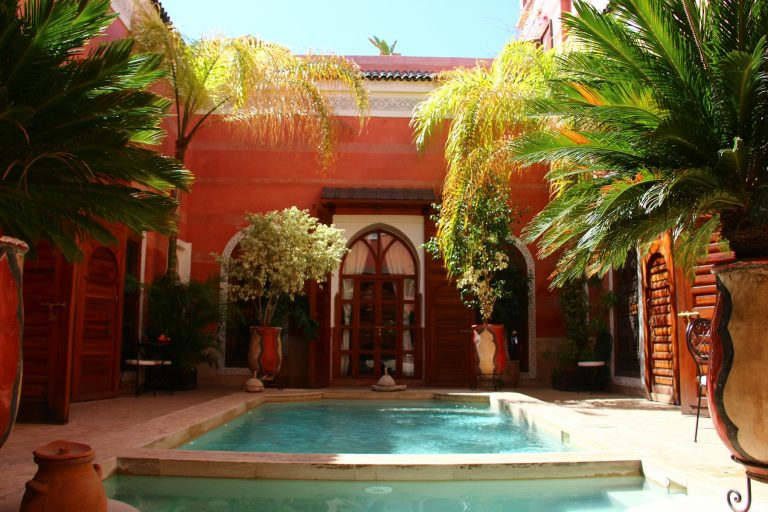
A spool is defined by what it does, and a courtyard pool by where it sits. A spool blends pool and spa features in one small vessel, while a courtyard pool is any compact pool designed for an enclosed space.
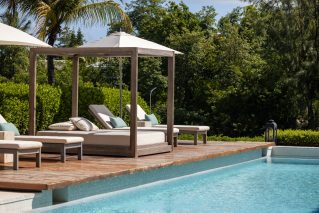
A spool usually has bench seating, jets and a heater, so it can be a cool plunge in summer and a warm soak in winter. Some include a current to swim against.
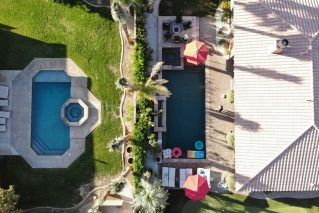
A courtyard pool may be a simple plunge pool, a narrow lap-style strip or a spool. What matters is that it is drawn to suit the walls, doors and sight lines around it. The two ideas overlap, and many small-lot pools are both.
What Are the Advantages of a Small Pool?
Lower running demands, year-round use and more yard left over are the main ones. Small is a practical choice as much as a necessity.
Less water means less to treat and less to heat, so a small pool is quicker to bring up to temperature. With a heater and jets it earns its place in the cooler months, when a larger unheated pool sits idle.
A compact pool also leaves room for seating, planting and a table. In a courtyard, that balance is what makes the space feel like a room.
The spa side of a spool adds a great deal for its size. Our article on why adding a spa to your pool creates the ultimate backyard retreat explains what that feature brings.
Which Small Pool Type Suits Your Space?
Match the type to how you want to use it and the shape of the space you have.
Think about use before shape. A household that wants to sit and talk needs benches and shallow water. One that wants exercise needs length or a swim current.
What Makes a Small Pool Harder to Build?
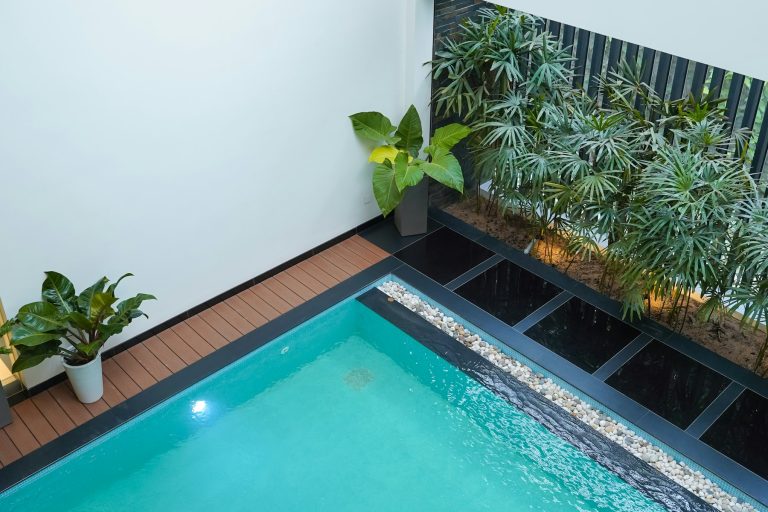
Access, neighboring structures and the limits of a tight site are the main challenges. They are solvable, and they need to be known early.
On many city lots the only route to the back is a narrow side passage or through a gate. That affects what equipment can reach the dig and how soil is taken away. Walls, old foundations and neighboring buildings close to the pool need care in the design.
Equipment needs a home too. Pumps and heaters take up space and make some noise, so their position matters more in a courtyard than in a large yard. Drainage needs a plan when the space is paved wall to wall.
A custom pool design starts by measuring what can physically be done on the site, then shapes the pool to fit.
How Do You Make a Small Pool Feel Bigger?
Use clean lines, a restrained palette, water that reaches close to the edges and lighting that extends the space after dark. Every element has to work harder in a small area.
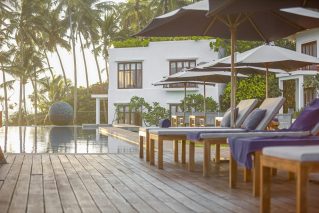
A pool set against a wall, with a simple spillway or fountain, borrows the wall as a backdrop. Using the same material for the deck and the surrounding paving makes the area read as one surface. A raised edge can double as seating, which saves floor space.
Planting in pots or narrow beds softens hard walls without crowding the water. At night, underwater and wall lighting gives depth to a space that would otherwise feel enclosed.
If you have a small yard or courtyard and want to know what is possible, request a free quote and we will start with a site visit.
Frequently Asked Questions
What is a good size for a small pool?
The right size is the one that fits your space and how you plan to use it. A designer will work from the room you have, leaving space to sit and move around the water.
How do you design a small pool?
Start with the purpose, whether soaking, cooling off, exercise or atmosphere. Then shape the pool to the space, keep the lines simple and plan seating, equipment and drainage together.
Is a spool worth it?
For many small-lot owners, yes. It gives the benefits of a pool and a spa in one, and it can be used all year with a heater.
Can you swim in a spool?
You can cool off and float, and some spools add a current for swimming in place. For regular laps, a narrow lap-style pool is a better fit.
What are some good ideas for a small backyard pool on a budget?
Keep the shape simple, limit added features to the ones you will use, and choose durable finishes. A simple small pool done well looks better than a complicated one.
Do small pools cost less to maintain?
Generally, yes. There is less water to treat and heat and less surface to clean. Equipment still needs regular care.
Can a pool fit in a courtyard?
Often it can. The design depends on access, nearby structures and drainage. A site visit will tell you what is realistic.
Are there extra rules for pools on small city lots?
Local requirements on setbacks, barriers and permits apply to pools of every size, and some districts add a design review. Your designer will check what applies to your address.