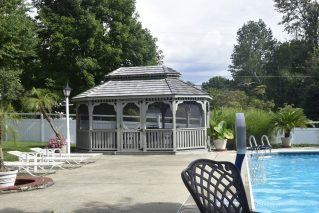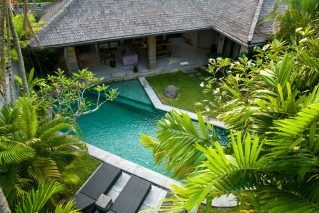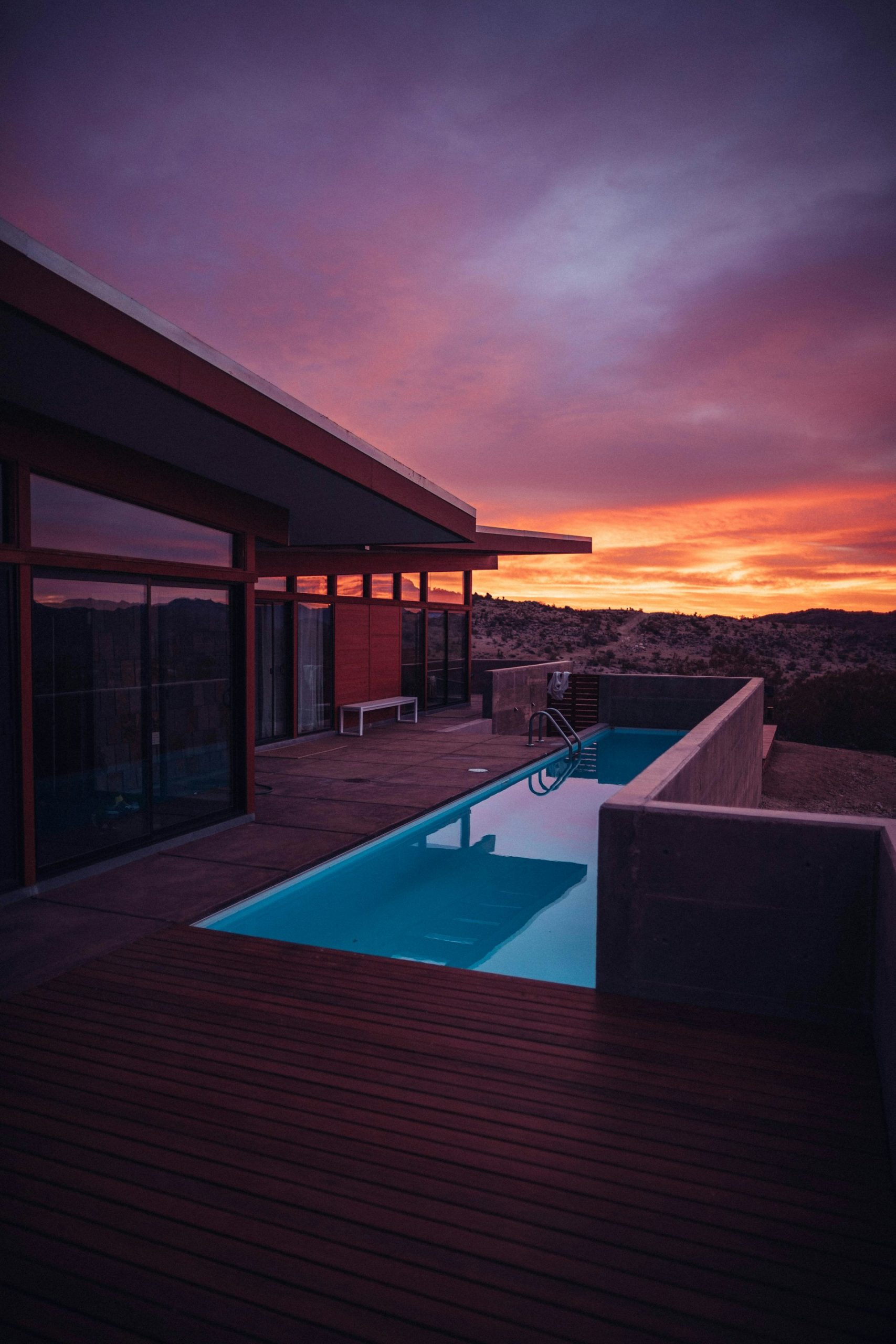
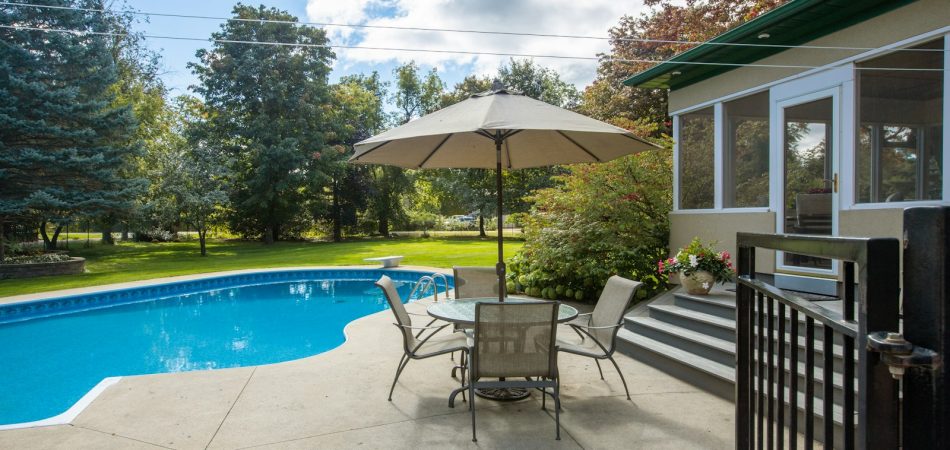
Most New Orleans properties can take an inground pool, but the yard decides what kind. Equipment access, the shape of the lot, drainage and what the ground is doing underneath all narrow the options before design begins. A site visit answers the question far better than a tape measure does.
Key Takeaways
- Access is usually the first thing to rule an option in or out, ahead of yard size.
- A narrow city lot often suits a smaller pool better than a shrunken version of a large one.
- Drainage has to be planned, because water has to go somewhere once the yard changes.
- Utilities, servitudes and setbacks can move a pool before anyone has picked a shape.
- The honest answer comes from walking the site, not from measuring the lawn.
Plenty of New Orleans homeowners assume their yard is too small, too tight or too wet for a pool, and most of them are wrong. What changes is the kind of pool that works. TurnKey Pool Designers works across the metro, the Northshore and Baton Rouge, and the yards people write off are often the ones that produce the most interesting designs.
Here is what actually determines whether a pool fits, and what to look at before you rule your own property out.
Is My Yard Big Enough for a Pool?
Almost certainly, though the pool may not be the one you first pictured. Size matters less than shape, access and where the pool can legally sit.
A long, narrow yard can take a lap-style pool that a square yard cannot. A small courtyard can take a compact pool that suits the space far better than a scaled-down family pool would. The mistake is starting with a pool size and looking for somewhere to put it, rather than starting with the yard.
Sloping ground is its own question. Our guide to building a pool on a sloped yard covers what changes when the ground is not level to begin with.
What Does Site Access Actually Mean?
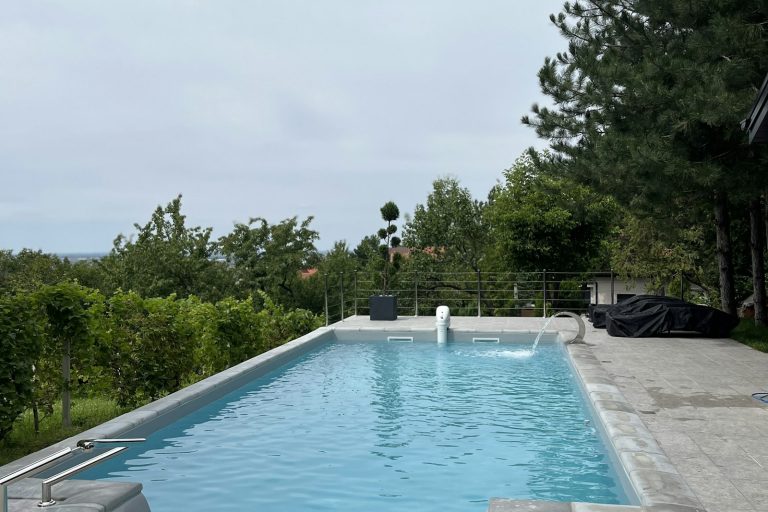
Access is whether excavation equipment can physically reach the back of your property. It is the single most common reason an option comes off the table.
Older parts of the city were not laid out with machinery in mind. A side gate narrower than a small excavator means soil is moved in smaller loads or by hand, which changes the approach and the schedule. Overhead lines matter too, especially if a fiberglass shell would need craning in.
None of this stops a pool being built. It shapes which construction method makes sense, which is exactly why the material conversation should follow the site visit rather than precede it.
It is also worth checking what happens to the spoil. Every pool produces a large volume of excavated soil that has to leave the property, and on a tight lot that is a logistics question of its own rather than an afterthought.
How Does the Ground Affect What Is Possible?
South Louisiana ground holds water, and that changes how a pool has to be built rather than whether it can be. Water sits close to the surface across much of the region.
Damp ground affects excavation, the structural approach and how the surrounding hardscape is drained. It is a design problem with known answers, provided somebody accounts for it from the beginning instead of discovering it halfway through a dig.
Homeowners in Kenner and the surrounding parishes tend to find their ground behaves differently from a friend’s yard a few miles away, which is why general advice only goes so far.
What Else Can Stop a Pool Going Where You Want It?
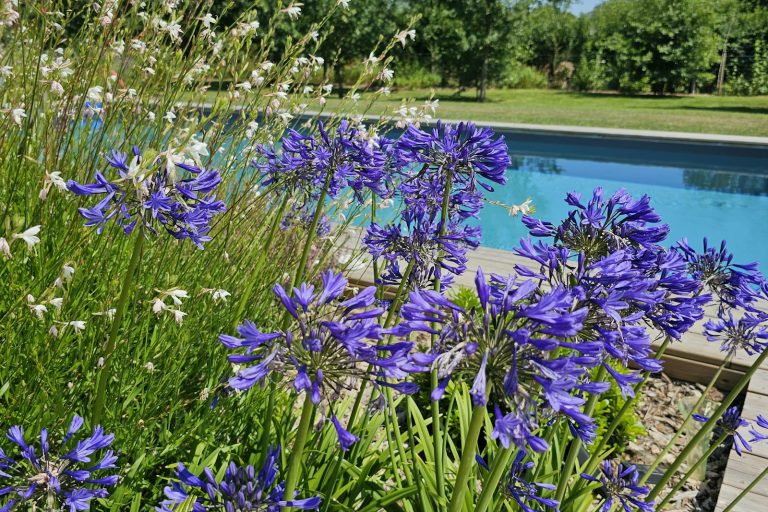
Utilities, servitudes, setbacks and trees move pools more often than homeowners expect. These are checked early because they are not negotiable.
Buried services have to be located before anything is dug. Property setbacks govern how close a pool and its deck can sit to a boundary. Mature trees present a choice between keeping them and the root system that comes with them, or losing something that took decades to grow.
Barrier requirements also shape the layout, since the pool and its enclosure are designed together rather than one being added to the other afterwards. If you want to know what your specific property allows, request a free estimate and we will walk it with you.
What Should You Check Before Ruling Your Yard Out?
Walk your own property with a short list before deciding it will not work. Most of it you can assess yourself in ten minutes.
Bring that list to a first conversation and the custom design process starts from reality rather than guesswork.
Frequently Asked Questions
Can I install an inground pool in New Orleans?
In most cases yes. Access, ground conditions and setbacks determine what kind of pool suits the property rather than whether one is possible at all.
Is my yard too small for an inground pool?
Probably not. Smaller pools and courtyard designs often suit compact lots better than a shrunken version of a large family pool would.
What if equipment cannot reach my backyard?
It changes the method rather than ending the project. Material is moved in smaller loads, which affects the approach and the schedule, and it usually rules out craning a one-piece shell.
Does a high water table stop you building a pool?
No, but it has to be designed for from the start. Excavation, structure and drainage all take account of it.
Will I have to remove a tree?
Sometimes. It depends on the canopy, the root system and where the pool has to sit. A designer can often work around a tree worth keeping.
How close to my fence can a pool go?
Setbacks vary by parish and by property, and they are checked before a layout is finalised. It is one of the first things confirmed during design.
Do I need to know what I want before the site visit?
A rough sense of how you will use the pool helps a lot. The technical constraints are ours to work out.
What is the first step?
A walk of the property. Everything else, including shape, material and budget, follows from what the site allows.