Most custom pool projects in the New Orleans metro run several months from the first design conversation to the first swim. Design and permitting take longer than people expect, construction itself is the shorter half, and weather is the variable nobody controls. Starting in the cooler months is the single best way to be swimming by summer.
Key Takeaways
- Design and permitting usually take longer than the digging and building.
- Rain is the biggest schedule risk in South Louisiana, and it cannot be planned away.
- Changing your mind after excavation is the most expensive way to lose weeks.
- Access and ground conditions affect the timeline as much as they affect the price.
- Begin in autumn or winter if you want to swim the following summer.
The honest answer to how long a pool takes is that it depends on when you start and how settled your design is before anyone breaks ground. TurnKey Pool Designers works across the New Orleans metro, the Northshore and Baton Rouge, and the projects that finish on schedule are almost always the ones where the decisions were made early.
Here is how the phases actually break down, and where the delays come from.
What Are the Phases of a Pool Build?
A pool project moves through design, approval, excavation, structure, finishes and start-up, and each phase has to finish before the next begins. There is no way to run them in parallel.
Homeowners tend to picture the construction phase and forget the two that come first. Design takes as long as it takes to settle your layout and feature list. Permitting sits with the parish and moves at its own pace. Only then does anything happen in the yard.
Homeowners in Mandeville and across the Northshore often find the approval step differs from what friends in Orleans Parish experienced, which is worth knowing before you set expectations.
Which Phase Takes the Longest?
Design and approval usually consume more of the calendar than construction does. That surprises most people, and it is also the part you have the most control over.
The table sets out where the time goes and what can move each phase.
Our guide to the steps involved in building a pool walks through what each stage looks like from the homeowner’s side.
How Much Does Weather Affect the Schedule?
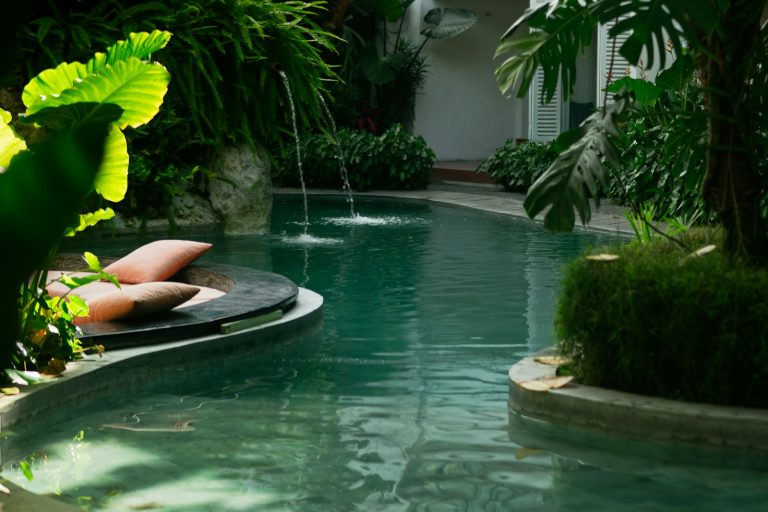
Rain is the single largest schedule risk on a South Louisiana pool build, and no builder can promise around it. Wet ground stops excavation and delays pours.
A persistent wet spell can hold up a dig for days at a time, and saturated ground has to dry before work can safely continue. Storm season adds another layer, since a watch or warning pauses everything regardless of how the project is running, and the site has to be made safe before anyone leaves it.
This is exactly why the design phase matters so much. Every decision settled before ground breaks is one that cannot cause a delay later, when a pause costs far more time than it would have on paper.
Can You Speed a Pool Project Up?
You cannot compress construction, but you can remove almost every avoidable delay before it starts. Preparation is the only real lever.
Three things help most. Settle the design completely, including the feature list and materials, so nothing is being decided while trades are on site. Submit complete drawings the first time, because incomplete paperwork is a common cause of approval delays. And choose materials early, since anything on a long lead time will set the pace of the finishing stage.
What does not help is asking for a shorter build. The stages have to happen in order, and shortcuts in the structural phase are the kind that show up years later. A builder who agrees to compress the structural work is telling you something about how they build, and it is worth listening to.
When Should You Start if You Want to Swim by Summer?
Begin the design conversation in autumn or winter for a summer swim. Waiting until spring means joining the queue at the busiest time of year.
The cooler months are quieter for design work, parish offices are less congested, and ground conditions are often more workable than in the middle of a wet spring. Starting then also means your decisions are unhurried, which is where most schedule problems are avoided rather than solved.
If summer is the goal and you are reading this in the second half of the year, now is a good time to begin. Request a free estimate and we can map a realistic timeline against your yard.
Frequently Asked Questions
How long does it take to build an inground pool?
Most custom projects run several months from design approval to first swim. Design and permitting typically take longer than the construction stage itself.
Why do pool builds take longer in South Louisiana?
Wet ground and a high water table complicate excavation, rain interrupts pours, and storm season pauses work. Drainage and structural design also take more planning here than in drier regions.
What causes the most delays on a pool project?
Changes made after construction has started, incomplete permit drawings, and weather. The first two are avoidable, the third is not.
Does the design phase really take that long?
It takes as long as your decisions take. Homeowners who arrive with a clear brief move quickly, and those still weighing options understandably take longer.
Can construction happen during hurricane season?
Yes, though work pauses around watches and warnings, and the site has to be secured. It is a scheduling factor rather than a reason to avoid building.
Is a fiberglass pool faster than gunite?
Generally yes, because the shell arrives finished rather than being built and cured on site. It still needs the same design and approval stages first.
What is the best time of year to start a pool project?
Autumn or winter, if your goal is swimming the following summer. Design work and approvals move more easily outside the spring rush.
What should I have ready before the first meeting?
A rough idea of where you want the pool, how you plan to use it, which features matter most, and any constraints on access or the yard. That alone can take weeks off the design stage.