Louisiana homeowners generally fund a pool through home equity, a dedicated pool loan, a cash-out refinance, builder-arranged finance, or savings. Each suits a different situation, and the right one depends on how much equity you hold, how long you plan to stay, and how comfortable you are securing the borrowing against your home.
Key Takeaways
- Home equity products are the most common route when you have equity and plan to stay put.
- Unsecured pool loans move faster and do not put the house at risk, though they are assessed on your credit rather than your property.
- Builder-arranged finance is convenient, and still worth comparing against an offer you find yourself.
- Compare the total cost of borrowing over the full term, not the monthly payment.
- Settle the design before you borrow, so you are financing a fixed scope rather than a moving one.
Paying for a pool is the part of the project people research last and worry about first. TurnKey Pool Designers works with homeowners across the New Orleans metro, the Northshore and Baton Rouge, and the funding conversation tends to go better when it happens alongside the design rather than after it.
This guide sets out the routes Louisiana homeowners actually use, and what to weigh up before choosing one. It is general information rather than financial advice, and a licensed lender or adviser should confirm what fits your circumstances.
What Are the Main Ways to Pay for a Pool?
Five routes cover almost every pool project: home equity borrowing, a dedicated pool loan, a cash-out refinance, builder-arranged finance, or paying from savings. Most homeowners end up using one, or a combination of two.
Which one suits you depends less on the pool and more on your position. How much equity you hold, how long you intend to stay in the house, your appetite for secured borrowing, and how quickly you want to start all push the decision in different directions.
If you are still shaping the project around what you want to spend, our guide to budget-friendly pool design covers where the money goes and which choices carry the most weight.
Is Home Equity the Usual Route?
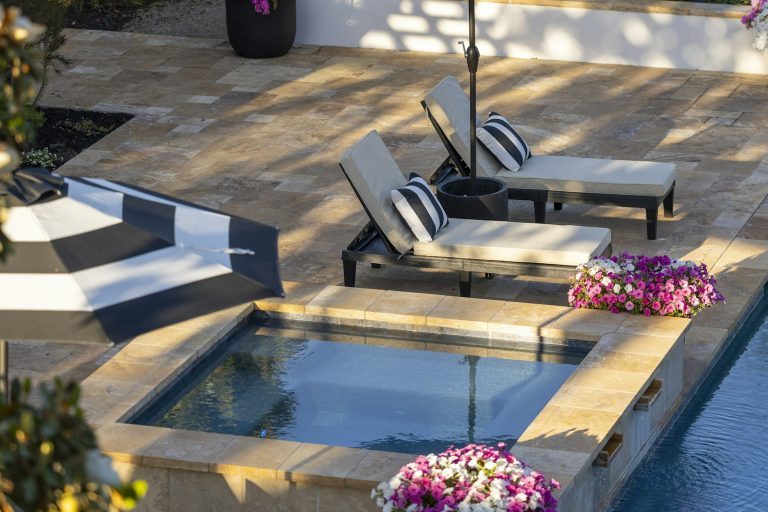
For homeowners with equity who plan to stay, it usually is. Borrowing against the house tends to offer longer terms than unsecured lending.
A home equity loan draws a set sum at the outset, which suits a project with a settled scope. A line of credit lets you draw as the build progresses, which some homeowners prefer when the work is staged. Both are secured against the property, so the house carries the risk if circumstances change.
That trade-off is the whole decision. Secured borrowing generally costs less over time and asks more of you if things go wrong. It is worth thinking about honestly rather than optimistically, particularly alongside a design you are still adding to.
How Do the Options Compare?
Each route trades speed against cost, or convenience against control. The table below lays out who each one tends to suit.
What Do Louisiana Lenders Look At?
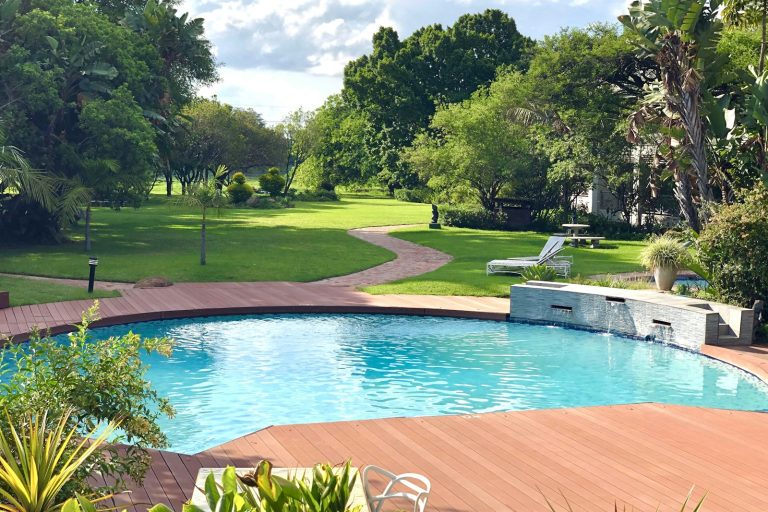
Broadly the same things any lender looks at: your credit history, your income against existing commitments, and the equity in the property. A pool is treated as a home improvement rather than a special case.
One thing worth knowing locally is that insurance and property considerations in South Louisiana can affect how a lender views the whole picture. Homeowners in Slidell and across the region are used to that being part of any property conversation.
Having a firm scope helps here too. A lender is being asked to fund a defined project, and a design that is still changing makes that harder to assess.
What Should You Do Before You Borrow?
Settle the design first, then borrow against a fixed scope. Financing a moving target is how people end up short at the finishing stage.
Three habits help. Get the design and feature list finalised so the sum you need is a real one. Compare the total cost of borrowing across the full term rather than judging by the monthly payment, which can flatter a longer or costlier loan. And leave room for the backyard beyond the pool, since decking, drainage and landscaping are the items most often left out of an initial figure.
If you would like a defined scope to take to a lender, request a free estimate and we can put one together for your property.
Frequently Asked Questions
Can you finance an inground pool in Louisiana?
Yes. Home equity products, dedicated pool loans, cash-out refinancing and builder-arranged finance are all commonly used. Which suits you depends on your equity, your timeline and your comfort with secured borrowing.
Can you do a payment plan on a pool?
Effectively yes, through a loan rather than an instalment arrangement with the builder. Many builders can introduce you to lenders they have worked with.
What is the typical loan term for a pool?
It varies by product and lender. Secured borrowing against the home usually runs longer than an unsecured pool loan, which is part of why the monthly figures look so different.
Should I use builder-arranged finance?
It is convenient and worth considering, and it is still worth getting an independent quote to compare against. Convenience and best value are not always the same offer.
Does a pool loan need a completed design?
Not always, though it helps considerably. A settled scope gives the lender something concrete to assess and stops you borrowing short.
Is it better to pay cash if I can?
That depends on what else the money would do and what reserves you want to keep. It is a question for a financial adviser rather than a pool designer.
Will a pool affect my home insurance?
Generally yes, since it changes the risk profile of the property. Speak to your insurer early rather than after the build.
What is the most common mistake with pool financing?
Borrowing for the pool alone and forgetting the backyard around it. Decking, drainage, barriers and landscaping belong in the figure from the start.