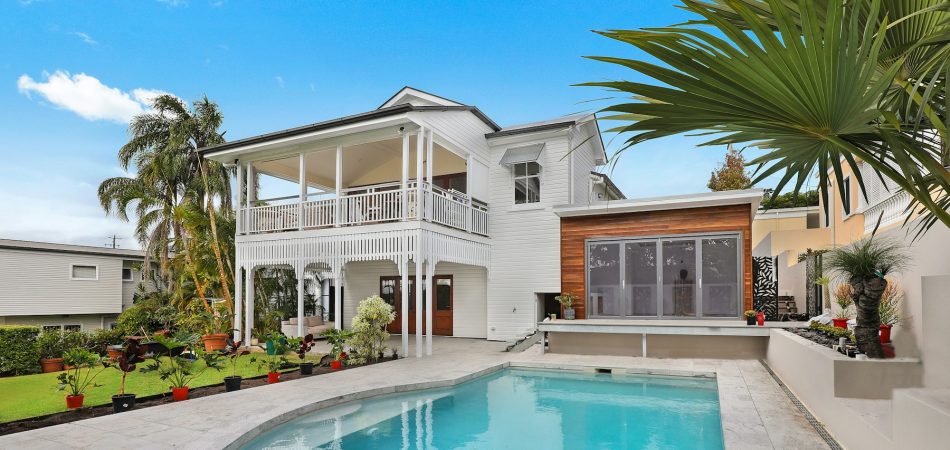
A pool can add value to a home in Metairie, Kenner or Mandeville when it suits the property, is in good condition and fits what local buyers expect. A pool that is dated, oversized for the lot or costly to keep tends to narrow the pool of buyers. Design and upkeep decide which of those two pools you own.
Key Takeaways
- A pool adds value when it fits the home, the lot and the neighborhood.
- Condition counts as much as design, and buyers judge both within seconds.
- Leaving usable yard around the pool protects resale appeal.
- Lot size and buyer expectations differ between the Southshore suburbs and the Northshore.
- Build for how you will use the pool, and let good design look after resale.
Few questions come up earlier in a pool conversation than this one. It is a fair thing to ask before a project of this size. TurnKey Pool Designers works across the New Orleans metro, the Northshore and Baton Rouge, and the honest answer is that a pool’s effect on value depends on the pool far more than on the idea of having one.
This guide gives you no percentages, because any figure quoted for “pools in general” says very little about your street. What follows is what moves the answer.
Does a Pool Add Value to a Home in the New Orleans Area?
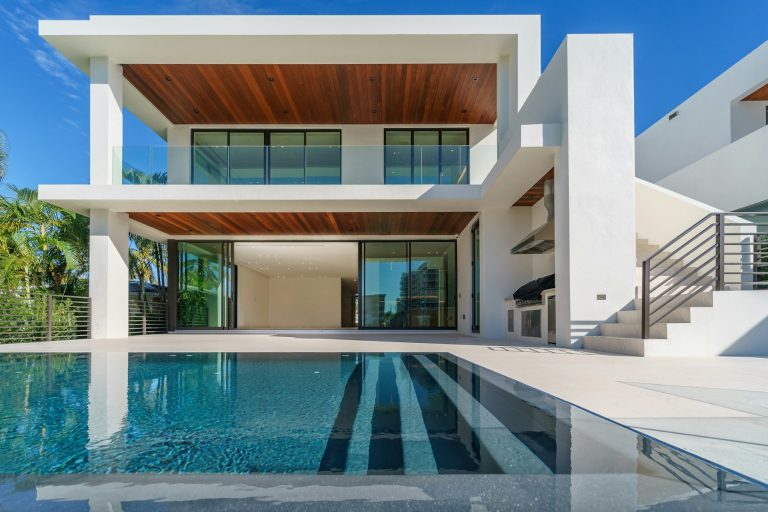
It can, and the climate here works in its favor: a long swim season makes a pool a feature buyers can picture using for most of the year. How much it helps comes down to the pool itself and the home it belongs to.
Buyers weigh a pool the same way they weigh a kitchen. A well-planned one in good condition reads as a reason to choose the house. A tired one reads as a project they will have to pay for.
The neighborhood sets the baseline. On streets where several homes have pools, a buyer may expect one. On streets where few do, a pool makes the home stand out, which appeals to some buyers and puts off others. In Metairie, as in most established suburbs, both kinds of street exist within a short drive of each other.
Value on paper is a separate question from appeal. An appraiser looks at comparable sales near you, so what a pool contributes to a valuation depends on what similar homes with pools have sold for locally.
What Makes a Pool an Asset to Buyers?
Buyers respond to a pool that looks like it belongs: sized to the yard, tied into the house, and plainly cared for. Those qualities come from design choices made long before a sale.
Proportion. A pool that leaves room for a lawn, a seating area or a play space appeals to more households than one that fills the yard edge to edge.
Connection to the home. Sight lines from the main living areas, an easy route from the back door, and materials that echo the house make the pool feel like part of the property.
A shape that ages well. Clean, simple forms hold their appeal longer than a design built around a passing trend.
Visible condition. Clear water, sound finishes, tidy coping and equipment that looks maintained tell a buyer the rest of the home has been looked after too.
Sensible running demands. Buyers ask about upkeep. A pool that is simple to run is easier to say yes to.
We look at the design side of this in more depth in our guide to how pool design can boost your home’s value.
What Makes a Pool a Drawback at Resale?
A pool works against a sale when a buyer sees cost or compromise in it: worn surfaces, a yard with no space left, or equipment near the end of its life. Most of these are avoidable.
The right-hand column is a list of things a buyer will ask to have fixed or priced in. An older pool can move from one column to the other with a thoughtful refresh, and that is often worth exploring before a home goes on the market.
If you are weighing a new pool or an update to an existing one, request a free quote and we can look at it on your own lot.
How Do Metairie, Kenner and Mandeville Differ?
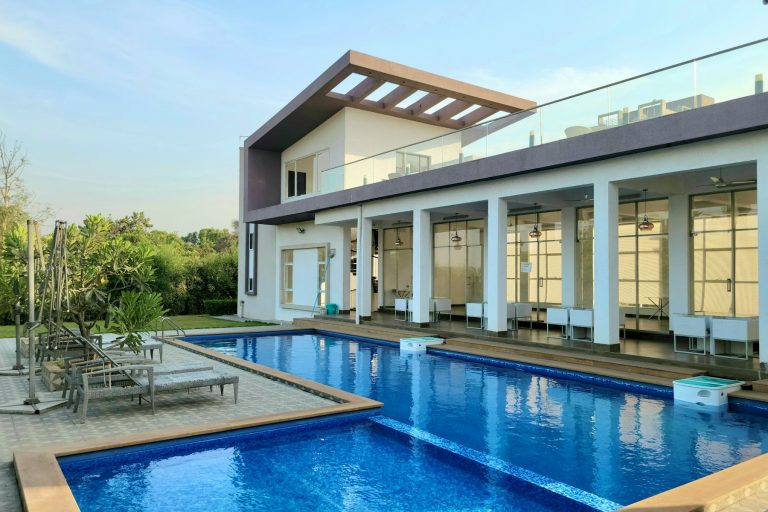
The main differences are lot size and what buyers in each area are used to seeing. Both shape what a well-judged pool looks like.
Metairie and Kenner are established suburbs where many lots are compact. Here the question is proportion. A pool designed to share the yard with a patio and some green space usually serves resale better than the largest pool the lot can hold.
Mandeville and the wider Northshore often offer more room. A larger yard gives a design more freedom, and it also raises expectations: buyers there may look for a pool that sits comfortably in its setting, with planting and outdoor living space planned around it.
These are general patterns, and streets vary. A local real estate agent can tell you how homes with pools have been received in your immediate area, and that is worth a conversation before you settle on a design. A custom pool design then shapes the pool to the lot you have.
Should You Build a Pool for Resale or for Yourself?
Build it for yourself, and design it so a future buyer would want it too. The two aims rarely conflict.
The surest return on a pool is the use you get from it: summers at home, time with family, a yard you enjoy. Resale value is a second benefit that follows from getting the first one right.
A few habits protect that second benefit. Keep the design in proportion to the lot. Choose finishes you can maintain. Keep records of service and any upgrades, because buyers and their inspectors appreciate a pool with a history they can read.
If you expect to sell within a few years, say so at the design stage. It changes which choices make sense, and a good designer will steer you toward options with broad appeal.
Frequently Asked Questions
Does an inground pool add value to a home?
It can. A pool that suits the property and is in good condition adds appeal, and in a warm climate that appeal lasts most of the year. The effect on price depends on comparable sales in your area.
Does a pool devalue your home?
A pool in poor condition, or one that leaves no usable yard, can put buyers off. A well-kept pool that fits the lot is unlikely to. Condition and proportion make the difference.
Is it harder to sell a house with a pool?
Some buyers want a pool and some prefer to avoid one, so a pool can narrow the audience while raising interest among the buyers who remain. Presentation matters: clear water and tidy surroundings help a great deal.
How does an appraiser treat a pool?
Appraisers compare your home with recent nearby sales. What a pool contributes depends on how similar homes with pools have sold locally, along with the pool’s condition and quality.
Will a pool raise my property taxes?
A pool is an improvement to the property, and improvements can affect an assessment. Your parish assessor’s office can explain how it is handled where you live.
Should I renovate an old pool before selling?
Often it is worth considering. Worn finishes and tired equipment are among the first things a buyer notices. A designer can tell you which updates would change a buyer’s impression and which would go unnoticed.
What pool features do buyers like most?
Features that are easy to live with tend to travel well between owners: a comfortable entry, a place to sit in the water, good lighting and a deck with room for furniture.
Does pool size affect resale?
Yes. A pool in proportion to the yard appeals to more buyers than one that fills it. Leaving room for other uses keeps the home attractive to households with different priorities.